More than a morning routine: How smart home tech made my commute stress-free and my days flow effortlessly
Waking up to a chaotic morning used to be my normal—rushing to check traffic, forgetting my coffee, leaving lights on, and starting the day already behind. Then I started weaving smart home upgrades into my commute routine, not for tech’s sake, but for peace of mind. It wasn’t about flashy gadgets; it was about reclaiming time, reducing stress, and feeling in control. What began as small tweaks turned into a seamless rhythm that changed not just my mornings, but my entire relationship with time and home. Now, I wake up to calm instead of chaos, and that small shift has made all the difference.
The Morning That Changed Everything
I’ll never forget that Tuesday in October. My daughter had a school event at 8:30, I had a client call at 9:15, and I hadn’t even packed her lunch. I woke up late because my phone alarm didn’t go off—yes, I still use my phone, even though I know better. The house was cold, the dog needed walking, and the coffee pot was empty. I scrambled to throw on clothes, checked traffic on my tablet while brushing my teeth, and saw a 45-minute delay on my usual route. Of course. By the time I got the kids in the car, I’d forgotten my charger, left the kitchen light on, and snapped at my husband for not helping more. Sound familiar? That morning wasn’t special—it was just another version of the same story I’d been living for years.
But that day, something clicked. Sitting in traffic, white-knuckling the steering wheel, I realized I wasn’t just late—I was drained before the day even began. I felt like I was constantly chasing time instead of living it. And I knew I wasn’t alone. So many of us, especially those of us juggling family, work, and home, feel like we’re running on a treadmill that keeps speeding up. That frustration stayed with me, and it sparked a quiet determination. I didn’t want more hours in the day—I wanted more peace in the ones I already had. I started looking into smart home technology not because I love gadgets, but because I love my family, my time, and my sanity. And what I discovered wasn’t a high-tech overhaul, but a series of small, thoughtful changes that quietly transformed how I move through my day.
Syncing Home and Commute: The First Step to Smarter Days
The real game-changer wasn’t any single device—it was the connection between them. I realized that my home and my commute didn’t have to be two separate worlds. They could work together. So I started simple: I linked my calendar to my smart speaker. Now, every morning, as soon as I walk into the kitchen, my speaker gives me a quick update—‘Good morning, Lisa. You have a meeting at 9:15 and your daughter’s event at 8:30. Traffic on your route is heavy—consider leaving 15 minutes early.’ Just that small voice in the background changed everything. I’m no longer caught off guard. I can plan, adjust, and breathe.
What I love most is how this system adapts to real life. If I reschedule a meeting, the speaker updates automatically. If there’s bad weather, it tells me to grab a coat. And if I’m running late, it can even send a quick message to my client: ‘Lisa is running 10 minutes behind—will join shortly.’ I don’t have to stop what I’m doing to check my phone or type anything. It’s like having a calm, organized friend whispering helpful reminders instead of letting me drown in to-do lists. This integration didn’t happen overnight. I spent a weekend setting it up, playing with settings, and learning what worked for me. But now, it runs so smoothly that I don’t even think about it. That’s the kind of tech I can get behind—tech that disappears into the background and lets me live more fully in the moment.
And honestly, it’s not just about efficiency. It’s about confidence. Knowing that I have a system that supports me makes me feel more capable, more prepared. I’m not just reacting to the day—I’m guiding it. That shift in mindset has been more powerful than I ever expected. I used to feel like the day controlled me. Now, I feel like I’m in partnership with it. And that makes all the difference, especially on the days when everything feels like it could spin out of control.
Lights, Thermostat, Locks: My Home Now Knows When I’m Leaving
One of the biggest sources of stress for me used to be that nagging voice in the back of my mind: ‘Did I turn off the lights? Did I lock the door? Is the oven off?’ I’d be halfway to work and suddenly panic, wondering if I’d left something on. It wasted mental energy and ruined my focus. Now, that anxiety is gone—completely. How? Through automated routines that kick in when I’m ready to leave the house.
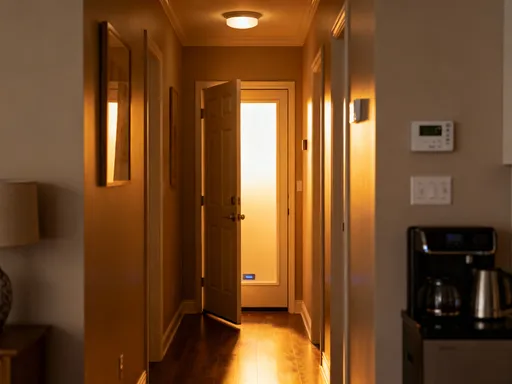
Here’s how it works: I have motion sensors in the main areas of my home. When they detect that no one’s been moving around for a while—say, after everyone’s left for school and work—they trigger a ‘Goodbye’ routine. The lights turn off, the thermostat adjusts to an energy-saving mode, and the smart locks engage automatically. I don’t have to remember a single thing. And if I’m the last one out, I can say, ‘Alexa, I’m leaving,’ and the same routine runs. It’s like my house tucks itself in.
But this isn’t just about convenience—it’s about emotional safety. Knowing that my home is secure while I’m out gives me a deep sense of relief. I used to call my neighbor to check on things when I was worried. Now, I can open my phone and see a live feed from my doorbell camera, check the status of every lock, or even turn off a light remotely if needed. It’s not that I don’t trust myself anymore—it’s that I’ve given myself the gift of peace of mind. And that’s priceless.
Another bonus? I’ve cut my energy bill by about 18% since setting this up. The thermostat learns our schedule and adjusts accordingly. In the winter, it warms the house just before we wake up. In the summer, it cools down before we get home. It’s not perfect—there was a week last spring when it thought we were gone because the sensors didn’t pick up movement, and the house got a little too warm—but I adjusted the sensitivity, and now it works like a charm. These systems aren’t magic, but they’re smart enough to learn, and flexible enough to adapt to real life.
The Coffee That’s Ready When I Am
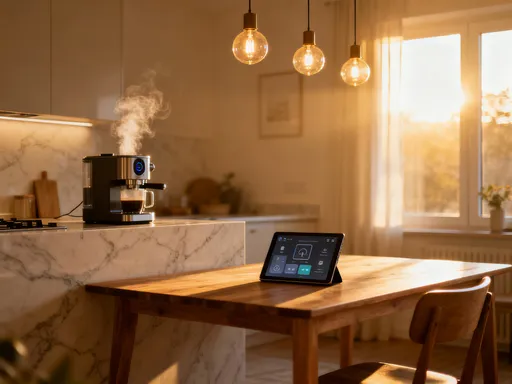
Let me tell you about my coffee maker. It’s not fancy. It’s not a $300 espresso machine with steam wands and programmable settings. It’s a basic drip coffee maker—just like the one your mom might have used. But now, it’s plugged into a smart plug, and that small change has brought me more joy than I can explain. Every morning, at 6:45 a.m., it turns on automatically. By the time I’m out of the shower and dressed, the smell of fresh coffee fills the kitchen. That warm, rich aroma is my welcome to the day.
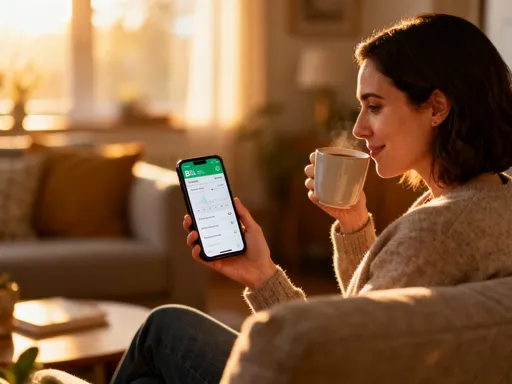
I know it sounds simple. Maybe even silly. But for years, I’d either forget to start the coffee, or I’d make it too early and it would be cold by the time I sat down. Or worse, I’d leave it on all day and come home to a burnt pot. Now, none of that happens. And more than just solving a problem, this small ritual has become a moment of self-care. It’s my way of saying, ‘This day matters. You matter.’ Because when I take that first sip, I’m not rushing. I’m present. I’m grounded.
And here’s the thing—this isn’t just about me. My husband noticed the change right away. He said, ‘You seem calmer in the mornings now.’ And I am. I’m not scrambling. I’m not stressed. I have a few quiet minutes to enjoy my coffee, maybe read a few lines of a book, or just sit with my thoughts. That small window of calm has rippled out into the rest of my day. I’m more patient with the kids. I’m more focused at work. I’m just… better.
So if you’re thinking, ‘A smart plug for a coffee maker? Really?’—yes, really. It’s not about the device. It’s about what it represents: intentionality. It’s about designing your day to support you, not exhaust you. And when you start small, with things that bring you real joy, those little wins add up. This coffee ritual is now the anchor of my morning. It’s the first thing I look forward to, and it sets the tone for everything that follows.
Voice Assistants: My Real-Time Commute Co-Pilot
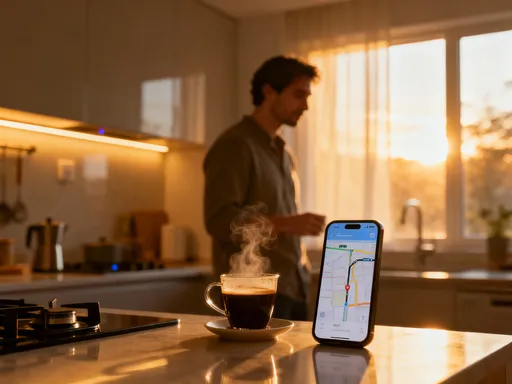
By the time I’m ready to walk out the door, I’ve already got a plan. But the support doesn’t stop there. My smart speaker—yes, the one that told me about traffic earlier—now becomes my commute co-pilot. As I grab my bag and head to the car, I’ll say, ‘Hey Google, give me my commute update.’ And just like that, it starts: ‘Your drive to work is 38 minutes with light traffic. The weather will be sunny, high of 72. You have three unread emails and a reminder to call the dentist at 2 p.m.’
This might sound like a small thing, but it’s huge. Before, I’d get in the car and spend the first ten minutes mentally running through my list: What do I need to do today? Did I forget anything? Who do I need to call? Now, I get that update while I’m still in the house, so I can start the drive with clarity instead of clutter. And if I need to send a quick message, I can do it hands-free: ‘Text Sarah: I’ll bring the snacks for the party.’ No stopping, no unsafe phone use—just seamless communication.
I’ve even started using it to play calming music or a short guided meditation on particularly stressful mornings. There’s one 5-minute breathing exercise that plays during my drive, and it helps me arrive at work centered instead of frazzled. I remember one morning when my son had a fever and I was worried all night. I got up exhausted, and that meditation helped me clear my head before my first meeting. It’s not a cure-all, but it’s a tool—a small, accessible way to care for my mental well-being.
And let’s be honest—sometimes, I just ask it to play my favorite playlist. There’s something joyful about belting out old songs on the way to work, windows down, voice assistant singing along (badly). It reminds me that tech doesn’t have to be serious. It can be fun. It can be human. It’s not replacing connection—it’s making space for more of it.
Learning from Mistakes: What Didn’t Work (and What I Fixed)
Now, I don’t want to make it sound like this was all smooth sailing. It wasn’t. I made mistakes—plenty of them. My first attempt at automation was way too ambitious. I set up a routine that turned off every light, locked every door, and started the dishwasher the moment I said, ‘I’m leaving.’ But then one day, I was just stepping out to grab the mail, and boom—everything shut down. The dog was in the backyard, the laundry was still in the washer, and I was locked out. Not ideal.
That’s when I learned an important lesson: automation should serve you, not control you. So I simplified. I changed the routine to only activate when I actually leave the house, based on my phone’s location. I also added a manual override—so if I’m just stepping out, I can say, ‘Not leaving, just getting the mail,’ and nothing happens. I also adjusted the motion sensors so they don’t trigger during short movements, like checking the mail or taking out the trash.
Another issue was privacy. At first, I was nervous about having devices listening all the time. I did some research and realized I could adjust the settings—turn off the microphone when I’m not using it, delete voice history regularly, and use strong passwords. I also chose devices from brands with strong privacy policies. It’s not about being paranoid—it’s about being smart. Just like we lock our doors, we should protect our digital spaces too.
And you know what? That trial-and-error process was worth it. Because now, my system works for *me*. It’s not a one-size-fits-all solution. It’s personal. It’s flexible. And that’s what makes it sustainable. I didn’t have to spend a fortune or become a tech expert. I just had to be willing to experiment, learn, and adjust. And if I can do it, so can you. You don’t need perfection. You just need to start where you are.
A Calmer Mind, A Fuller Life: The Unexpected Gains
Looking back, I realize that what started as a quest to fix my morning chaos has led to something much bigger. It’s not just that my commute is smoother or my coffee is ready on time. It’s that I feel more in control of my life. I have more mental space. I’m less reactive. I’m more present—with my family, with my work, with myself. And that has changed everything.
I used to think that being busy was a sign of importance. Now, I see that true strength is in creating calm. When I’m not wasting energy on small stresses—did I lock the door? Is the coffee on? What’s the traffic?—I have more to give to the things that matter. I listen better to my kids. I’m more creative at work. I even have more energy to cook dinner or read before bed. These aren’t huge changes on their own, but together, they’ve reshaped my days in the most beautiful way.
And here’s the truth I’ve come to understand: technology isn’t the enemy of connection. When used with intention, it can actually deepen it. By automating the small stuff, I’ve made room for more meaningful moments. I’m not distracted by lists and worries. I’m here. Now. And that’s a gift I didn’t know I was missing.
So if you’re feeling overwhelmed, if your mornings feel like a race you’re always losing, I want you to know—there’s another way. You don’t have to do it all. You don’t have to be perfect. You just need a few small tools, thoughtfully chosen, to support you. Start with one thing. Maybe it’s a smart plug for your coffee maker. Maybe it’s linking your calendar to your speaker. Maybe it’s setting up a simple ‘Goodbye’ routine. See how it feels. Adjust as you go. And remember: this isn’t about becoming more efficient just for the sake of it. It’s about creating a life that feels lighter, calmer, and more yours.
Because at the end of the day, that’s what we all want—to feel at peace in our homes, in our days, in our minds. And sometimes, a little tech can help us get there.