From Isolated to Connected: How Bike-Sharing Apps Spark Real Community Life
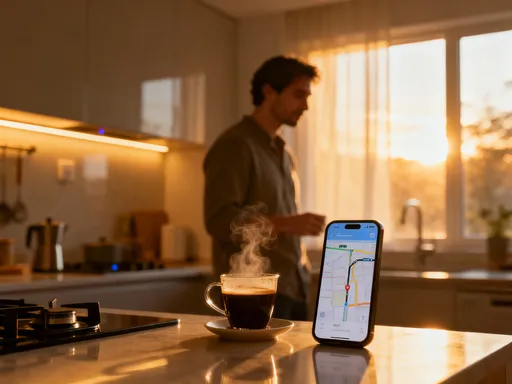
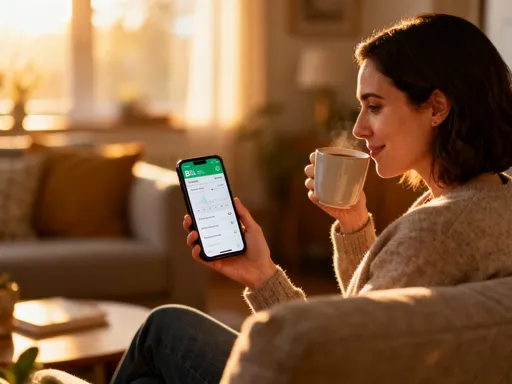
Imagine this: you're scrolling through your phone on a quiet Sunday morning, coffee in hand, feeling a bit disconnected. Your neighborhood seems busy, but everyone’s rushing by, heads down. Then you see it—a local event pop up on your bike-sharing app: “Family Ride to the Farmers’ Market, 10 AM, meet at Central Plaza.” You grab your helmet, unlock a bike with a tap, and suddenly you're part of something small, simple, but meaningful. This isn’t just about transport—it’s how technology quietly brings people together, one ride at a time. And if you’ve ever wished your community felt more like a neighborhood, this might be the gentle nudge you’ve been waiting for.
The Loneliness of Modern Neighborhoods
Let’s be honest—most of us live near people but not with them. You might recognize the same faces in the elevator or at the corner store, yet never know their names. We wave at the same dog walker every morning, but the conversation never quite starts. There’s a quiet loneliness that sneaks into city life, even when we’re surrounded by people. It’s not dramatic. It doesn’t show up in headlines. But it’s there—in the empty park bench you pass every day, in the silence between neighbors who live just feet apart.
I remember when I first moved into my apartment building. I’d see parents with strollers, professionals with earbuds, retirees walking slowly down the sidewalk. But no one really *talked*. I started eating dinner alone most nights, even though I wasn’t lonely by choice. I just didn’t know how to start. And I’m not alone in this. Studies show that nearly half of adults in urban areas report feeling isolated, despite being constantly “connected” online. The irony? We’re more digitally linked than ever, yet physically and emotionally, we’re drifting apart.
It’s not that we don’t want to belong. It’s that modern life makes connection feel like work. Organizing meetups takes effort. Knocking on a neighbor’s door feels awkward. And by the time we finish work, run errands, and handle family duties, there’s little energy left for building relationships. We end up in a cycle: we feel disconnected, so we stay inside, which makes us feel even more isolated. But what if there was a simple, natural way to break that cycle? What if the key to community wasn’t a big event or a formal group—but something as simple as a bike ride?
How Bike-Sharing Apps Became More Than Just Rides
When bike-sharing apps first launched, no one was thinking about friendship. The goal was simple: get people from point A to point B without traffic, parking stress, or pollution. And they worked. Cities saw fewer cars, cleaner air, and more active citizens. But something unexpected started happening. People began using these apps not just to commute—but to connect.
At first, it was small things. You’d unlock a bike and see a notification: “You’re near the River Loop—78 people rode this path yesterday.” Or you’d get a gentle suggestion: “Join a group ride to the botanical garden this Saturday.” These weren’t pushy ads. They felt more like friendly whispers—invitations that didn’t demand anything, just offered a possibility.
Over time, developers noticed how users were responding. People weren’t just riding solo. They were joining suggested rides, commenting on routes, even tagging friends. So the apps evolved. Features like community calendars, ride challenges, and “nearby riders” alerts were added—not as gimmicks, but as ways to support what people were already doing. The technology didn’t create community. It simply made it easier to find.
Think of it like this: your favorite coffee shop doesn’t force you to talk to people. But the layout, the music, the smell of beans—it all makes conversation feel natural. Bike-sharing apps are doing something similar. They’re designing digital spaces that encourage real-world connection, not by shouting, but by gently opening the door.
The Power of Shared Movement
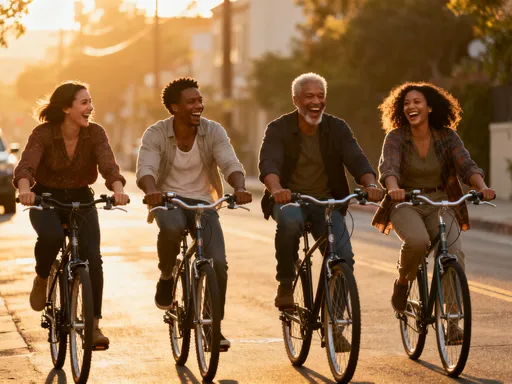
There’s something special about moving through a place side by side. When you walk or ride with someone, you’re not face-to-face, which can feel intense. You’re shoulder to shoulder, moving at the same pace, sharing the same view. This simple shift changes everything. It lowers the pressure. You don’t have to make constant eye contact. You can talk when you want, or just enjoy the quiet together.
I joined a women’s weekend ride last summer on a whim. I didn’t know anyone. But within minutes, we were laughing about wobbly first rides, sharing tips for avoiding potholes, and swapping stories about our kids. No one asked, “So, what do you do?”—the usual icebreaker that feels more like an interview. Instead, we connected through the rhythm of the ride, the shared effort, the little discoveries along the way. That group? We still meet every two weeks. Some of us have become close friends. One woman even helped me find a preschool for my daughter. All because we pedaled together.
Science backs this up. Studies show that synchronized movement—like walking, dancing, or cycling—triggers the release of endorphins and oxytocin, the “bonding hormone.” It’s why soldiers march together, why fans sway at concerts, why dance partners feel closer after a routine. Movement builds trust. And when that movement happens in your own neighborhood, it turns familiar streets into shared territory.
Take the story of a high school student in Portland who started a “Clean Ride” initiative. Every Saturday, he and a growing group of volunteers ride through different neighborhoods, picking up litter as they go. They don’t hand out flyers or give speeches. They just ride, clean, and chat. Local businesses started noticing. One café began offering free coffee to riders. Another donated gloves and bags. What began as one teen’s project became a quiet movement—proof that shared action, not grand plans, often sparks real community.
Decision Support That Feels Human
One of the biggest barriers to connection isn’t desire—it’s decision fatigue. We want to meet people, join activities, be part of something. But by 8 PM, after managing work, meals, and family schedules, the thought of planning something new feels exhausting. “Should I go out? Who would I go with? What time? What if it rains?” The mental load adds up.
This is where bike-sharing apps quietly shine. They don’t just show bikes. They help you decide—without pressure. Imagine getting a notification that says, “Sunny and 72°—perfect for a ride. Your favorite park path is clear, and three neighbors are heading that way around 4 PM.” It’s not a command. It’s a nudge. It feels less like an algorithm and more like a friend checking in.
These smart suggestions are powered by real data—weather, traffic, ride history, time of day—but presented in a warm, human way. Instead of saying, “Route optimization increased by 14%,” the app says, “You’d love this sunset ride—only 12 minutes, low traffic.” It’s the difference between a robot and a roommate who knows your habits.
And because the app handles the details—distance, safety, timing—you don’t have to. You just say yes. That small shift—from “I need to plan something” to “I can join something easy”—removes the biggest hurdle to participation. It’s like having a personal assistant for community life, one that knows you well enough to say, “Hey, this feels like your kind of thing.”
Building Micro-Communities, One Ride at a Time
Big events are nice, but they’re not where most community is built. Real connection happens in small, repeated moments. A wave. A smile. A shared laugh over a flat tire. These tiny interactions add up. And bike-sharing apps make them possible by creating regular, low-stakes opportunities to show up.
In my neighborhood, a group of parents started a “School Drop-Off Ride.” Every morning, they meet at the same corner, bikes loaded with backpacks and lunchboxes, and ride the half-mile to the elementary school together. No formal sign-up. No rules. Just a routine that grew naturally. At first, it was just about saving time and avoiding car lines. But now? They know each other’s kids by name. They swap babysitting, share school updates, and even organize weekend picnics.
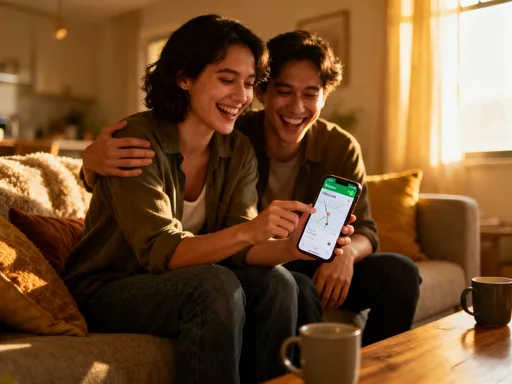
These aren’t massive gatherings. They’re micro-communities—small, consistent, and deeply human. And they thrive because the app supports the rhythm. You don’t need to text everyone to confirm. You just open the app, see who’s riding, and join. Over time, strangers become familiar faces. Familiar faces become names. Names become friends.
What’s beautiful is that no one is forced to participate. There’s no pressure to be social. If you’re quiet, that’s fine. If you want to chat, that’s great. The bike becomes a neutral space where connection happens at your own pace. And because the activity is shared—moving, exploring, arriving—there’s a natural sense of purpose. You’re not just standing around trying to make small talk. You’re doing something together, even if it’s just getting from one place to another.
Making It Work for Real Life
You don’t need to be a fitness expert or a social butterfly to benefit from this. The beauty of bike-sharing apps is that they fit into real life—not the perfect, Pinterest version, but the messy, busy, beautiful reality most of us live in. You don’t need extra time. You don’t need to plan anything. You just need to say yes to one small ride.
Here’s how to start, without stress: First, check your app for “Group Rides” or “Nearby Events.” Most have a tab just for local activities. Even if you don’t join, it’s worth browsing—just to see what’s happening. Next, turn on ride alerts. That way, you’ll get gentle reminders when conditions are ideal or when others are riding your favorite path.
If you’re already taking a solo ride, try using the “Ride With Others” feature. It shows nearby riders going the same direction. A simple tap sends a request to join. Most people say yes. And if they don’t? No hard feelings. It’s low-risk, low-pressure, and completely optional.
You can also start small by creating or joining a “Neighborhood Route Collection.” These are user-curated paths—like “Best Tree-Lined Streets” or “Quiet Paths for Evening Rides.” Add one of your favorite routes, and you might inspire others to try it. Soon, you’ll see familiar names on the same trails. That’s how it begins.
And if you have kids? Turn a ride into a mini adventure. Follow a themed route—“Find the Blue Doors” or “Count the Flower Boxes.” Make it a game. Invite another family. Suddenly, it’s not just exercise. It’s connection, play, and discovery—all rolled into one.
The Bigger Picture: Technology That Serves People
We often think of technology as something that pulls us away—from nature, from each other, from the present moment. And sometimes, it does. But the story of bike-sharing apps reminds us that tech can also bring us closer. It can help us rediscover our neighborhoods, meet our neighbors, and reclaim the simple joy of moving through the world together.
The most powerful tools aren’t the ones that do everything for us. They’re the ones that help us do things for ourselves—with a little support. Bike-sharing apps don’t create community. People do. But they make it easier to take that first step, to say yes to a ride, to show up and see who else is there.
In a world that often feels too fast, too loud, too disconnected, these small moments matter. They remind us that progress isn’t just about speed or efficiency. It’s about meaning. It’s about looking up from our phones and seeing a friend on a bike, waving at us from across the plaza. It’s about realizing that connection was never far away—just one ride, one choice, one tap away.
So the next time you feel that quiet ache of isolation, don’t reach for another scroll. Open your bike-sharing app. See what’s happening nearby. Say yes to a ride. You might not just get exercise or fresh air. You might just find your community—right where you’ve been all along.